

What to Look for in a Tactical Wallet
A bulky wallet is a liability. It digs into your hip, slows you down during a draw, and creates a weak point for pickpockets. In my line of work, we train to access our gear instantly and comfortably. If your wallet adds three inches to your profile or causes back pain by noon, it’s failing the mission. You don’t need more features; you need less bulk without sacrificing function.
Quick Answer
Look for a wallet that reduces your carry profile to under one inch while maintaining RFID protection and quick-access card slots. Prioritize materials like carbon fiber, titanium, or full-grain leather over cheap plastics. The best tactical wallet fits your specific cash usage habits—if you carry bills, ensure it has a secure strap; if you’re card-only, go for a slim front-pocket design.
Table of Contents
Our Top Picks
Affiliate disclosure: if you buy through these links, we may earn a commission at no extra cost to you.
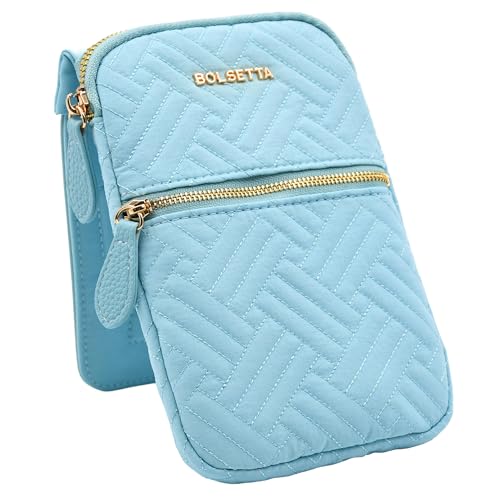


The Bulk Problem: Why Slim Matters
Most officers I train with start with a standard bi-fold. It’s comfortable until it isn’t. After eight hours of standing or driving, that extra bulk shifts your center of gravity and creates pressure points against your belt line or pocket seam. A tactical wallet isn’t just about looking cool; it’s about ergonomics. If you are carrying a duty knife or a heavy flashlight in the same pocket, every millimeter counts.
Measure your current carry. If your wallet sticks out more than an inch from your pocket, you’re creating a snag hazard. In a dynamic situation, snagging on doorframes or vehicle interiors can be critical. Slim wallets force you to curate what you actually need. This discipline reduces weight and increases accessibility. You should be able to slide it into a front pocket without distorting the fabric of your trousers.
Material Science: Durability vs. Weight
Leather ages well but adds weight and thickness. It stretches over time, which can compromise the retention of your cards. For a true tactical edge, look at carbon fiber or titanium. Carbon fiber is rigid, lightweight, and offers excellent RFID blocking properties naturally due to its composite structure. Titanium is nearly indestructible and resists corrosion, making it ideal for humid environments or high-sweat conditions.
Avoid cheap polycarbonate plastics that claim to be "tactical." They crack under pressure and feel flimsy in the hand. If you prefer leather, ensure it’s full-grain vegetable-tanned leather. It will stiffen up initially but mold to your body over time. Hybrid designs, like a leather exterior with a carbon fiber core, offer a balance of traditional aesthetics and modern durability. Check the stitching; double-stitched seams are non-negotiable for long-term abuse.
Access Mechanics: Speed and Security
How you access your ID matters. In a checkpoint or high-stress interaction, fumbling through a stack of cards looks unprofessional and wastes time. Look for wallets with a dedicated, easy-grip slot for your primary ID. Some designs feature a "flip-out" mechanism that allows you to slide the card out one-handed. This is a small detail that makes a massive difference in usability.
Security isn’t just about RFID blocking—though that’s essential in today’s world. It’s about retention. Your cards shouldn’t fall out if you drop the wallet. Magnetic closures are convenient but can lose strength over time or attract metal shavings from your other EDC gear. Mechanical clips or tight friction fits are more reliable long-term. Ensure the mechanism doesn’t require two hands to open; one-handed operation is a baseline requirement for any tactical tool.
Cash Management in a Digital World
Many slim wallets ignore cash entirely, assuming everyone uses cards. This is a mistake. Cash is still king in emergencies, rural areas, or when electronics fail. If you carry bills, you need a secure strap or band. Elastic bands can snap; Velcro loses grip. A leather strap with a snap button or a rigid clip is superior. It keeps the cash flat and accessible without adding bulk.
If you rarely carry cash, don’t buy a wallet designed for it. You’re paying for dead weight. Conversely, if you carry large bills, avoid wallets that force you to fold them multiple times. Creased bills are harder to count and look disheveled. A good tactical wallet accommodates at least two unfolded bills securely. Test the retention with crumpled cash; if it falls out when you shake your hand, the design is flawed.
Legal and Tactical Considerations
In some jurisdictions, carrying items that resemble weapons or tools can draw unwanted attention. A wallet with built-in bottle openers, knife blades, or aggressive textures can be misinterpreted. Keep it clean. Your wallet should look like a wallet. The "tactical" aspect should be in the durability and efficiency, not in adding offensive capabilities to an everyday item.
Consider your environment. If you work in construction or industrial settings, avoid wallets with sharp metal edges that could snag on safety gear or damage vehicle interiors. Smooth edges are safer. Also, check local laws regarding RFID blocking materials; while rare, some sensitive facilities may have restrictions on metallic composites. Always prioritize discretion. The best tactical gear is the gear people don’t notice until you need it.
Frequently Asked Questions
Do I really need RFID blocking?
If you carry credit cards, driver’s licenses, or passports with chips, yes. While large-scale skimming is rare, the risk exists at crowded checkpoints or public transit hubs. It’s a low-cost insurance policy for your financial data.
Is carbon fiber better than leather?
For weight and durability, yes. Carbon fiber is lighter, thinner, and more resistant to water and wear. Leather offers a classic look and molds to your body but requires maintenance and adds bulk. Choose based on your priority: performance vs. aesthetics.
Can I carry a tactical wallet in my front pocket?
Absolutely, and you should. Front-pocket carry reduces back strain, keeps your gear closer to your center of gravity, and makes it harder for pickpockets to access. Just ensure the wallet is slim enough to not distort your pants.
How many cards should I carry?
Limit yourself to three to five. One ID, one primary credit card, and one backup. Anything more adds bulk and slows down access. If you need more cards, leave them at home. Curate your carry ruthlessly.
Are magnetic closures safe for electronics?
Generally, yes. The magnets in wallets are too weak to damage credit card strips or phone screens. However, they can interfere with RFID chips if placed directly against them. Ensure there’s a barrier between the magnet and your cards.
What about built-in tools like bottle openers?
Avoid them. They add bulk, create sharp edges that can damage other gear, and often fail under pressure. A dedicated multitool in your EDC bag or pocket is a better solution. Keep your wallet simple.
Your wallet is the most accessed item in your EDC after your phone. It deserves the same scrutiny as your knife or flashlight. Drop the bulk, choose durable materials, and prioritize quick access. If you’re still carrying a thick bi-fold, it’s time to upgrade. Start by auditing what you actually carry every day, then find a slim profile that holds just that. Your back—and your draw speed—will thank you.


