

How To Choose The Right Tactical Wallets
Choosing the right tactical wallet isn’t about chasing the latest gimmick or fashion trend. It’s about durability, practicality, and ensuring your gear keeps pace with your day-to-day demands. A well-chosen wallet should be slim enough to carry comfortably, tough enough to withstand daily abuse, and secure enough to protect your essentials. Too many sacrifice function for form or fall for flashy designs that don’t hold up in real-world situations.
In this guide, I’ll break down what truly matters when selecting a tactical wallet—far beyond looks. Whether you're a first-timer or a seasoned collector, understanding key features like material quality, build integrity, legal carry implications, and actual utility will keep you from wasting money on gimmicks. Let’s get serious about gear that works.
Table of Contents
Our Top Picks
Affiliate disclosure: if you buy through these links, we may earn a commission at no extra cost to you.


Material and Durability
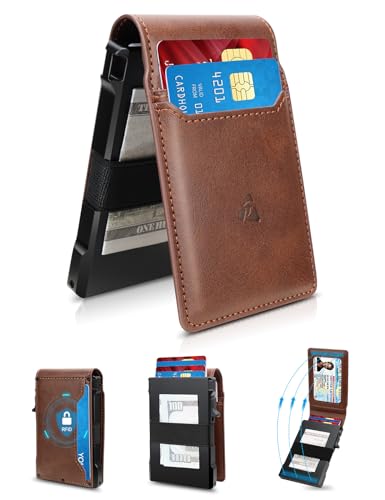
Look for wallets made from high-quality materials like reinforced nylon, Kydex, or matte-finished aluminum. These materials resist tears, moisture, and wear better than cheap leather or plastic. Leather might look professional, but it’s usually too bulky and tend to degrade quickly under heavy use. Conversely, G-10 or carbon fiber options offer a sleek, lightweight, and rugged alternative.
Pay attention to the construction—double-stitched seams, reinforced stress points, and sturdy hardware matter. A wallet with loose stitching or flimsy clips will fail when you need it most. Whether you’re carrying it daily or using it in tactical environments, durability is essential for confidence in your gear.
Design and Carry Comfort
The best tactical wallet sits discreetly in your pocket without creating bulk or uncomfortable pressure. Slim, minimalist designs are ideal—they don't tip off others and won’t get snagged on clothing or gear. Consider how the wallet fits with your clothing: a thick rubberized or layered wallet might be uncomfortable with tight jeans or dress slacks.
Look for features like rounded edges, soft laminates, and low-profile clips or clips that can be removed. You want something that stays put but doesn’t intrude on your daily comfort or movement.
Tip: For EDC, a bifold or trifold that's too bulky defeats the purpose. A slim sleeve or hybrid cardholder often does the job better—less bulk, more comfort.
Security Features
A tactical wallet should protect your essentials from prying eyes, RFID skimming, and accidental loss. RFID-blocking layers are a must if you carry cards with chips—modern thieves often target wallets electronically rather than physically. Look for wallets with integrated RFID shields woven into the fabric or materials.
Secure closures—metal snaps, friction fits, or even discreet zipper compartments—can prevent accidental dumps of cards or cash. For critical carry, a wallet with a hidden compartment or a built-in RFID blocker adds peace of mind, especially in urban environments or crowded settings.
Size, Capacity, and Accessibility
Assess what you need to carry daily — cards, cash, IDs, or small tools. Too many wallets try to cram everything, resulting in bulky setups that don’t sit right in your pocket. Opt for a design that balances capacity with slimness. If you carry a lot, look for wallets with modular inserts or expandable compartments.
Accessibility is key. Card slots should allow quick, one-handed access—no fumbling. Cash should be easy to retrieve without complex flipping. Integration with other EDC gear—such as paracord lanyards or key clips—can make access even faster when you need it.
Legal and Tactical Considerations
Think about the legal landscape — restrictions on carry, concealment laws, and anti-tampering regulations. A tactical wallet designed for concealed carry should avoid overt weapon features that could cause trouble. Avoid wallets with bulges, obvious clips, or specialized designs that draw unnecessary attention.
Practicality trumps gimmicks. A wallet with a built-in multi-tool or hidden blade may seem handy, but legality varies and can complicate travel or daily situations. Always match your gear choices to local laws and your actual needs.
Top Picks and Final Advice
For serious durability, I recommend the Seberent K-Frame Wallet—it's minimalist, RFID-blocking, and made from military-grade nylon with reinforced edges. If you're after a sleek, high-tech look, the RFID-blocking Titanium Cardholder from Leatherman makes a strong, lightweight choice. For budget-friendly, honest build, Gerber’s Tactical Card Wallet offers solid construction at a great price point.
Always prioritize build quality, realistic capacity, and discreet carry. Remember: gear is only useful if it’s ready when you need it. Avoid gimmicks, flashy designs, or overly complicated features that get in the way of reliability.
Frequently Asked Questions
Can I carry a tactical wallet legally everywhere?
Most places allow basic design wallets, but if your wallet contains concealed tools or features like blades, check local laws. Always stay informed about restrictions in your area.
What material is best for durability?
Military-grade nylon and G-10 composites are prime choices. They resist wear, moisture, and impact better than leather or plastic.
Are RFID-blocking wallets really necessary?
Yes—RFID skimming is a real threat, especially in crowded urban environments. Protect your cards with an RFID shield built into your wallet.
What size should my wallet be?
It depends on your carry needs. Minimalists prefer slim cardholders; if you carry cash and multiple cards, look for a compact bifold that still sits flat.
Should I choose metal or fabric?
Metal offers durability and a tactical look but can be heavy. Fabric or hybrid materials balance weight, flexibility, and toughness—choose based on your use case.
Choosing the right tactical wallet boils down to understanding your priorities: durability, concealment, capacity, and legal safety. Cut through the gimmicks, evaluate real-world needs, and pick a wallet designed for genuine utility. That’s how you stay prepared without overburdening your pocket.
Next step: assess your daily carry and replace anything that’s worn, flimsy, or overly complicated. Your gear should serve you, not the other way around.


