

How To Choose The Right Edc Pocket Holsters 2026
By Cole Briggs
You spend hundreds on a quality folder, a high-output flashlight, or a precision multitool. If you carry that gear loosely in your pocket, it is useless when you need it, and it will ruin your pants. A holster isn't just an accessory; it is the interface between your tool and your readiness. Stop treating your EDC like loose change.
Quick Answer
Choose a pocket holster that matches the specific profile of your gear, not the other way around. For knives, prioritize retention clips and deep carry to prevent printing; for flashlights, look for secure magnetic or friction locks to prevent loss during a draw. The best option is always a dedicated pouch or rigid case that protects the tool while keeping it accessible.
Table of Contents
Our Top Picks
Affiliate disclosure: if you buy through these links, we may earn a commission at no extra cost to you.
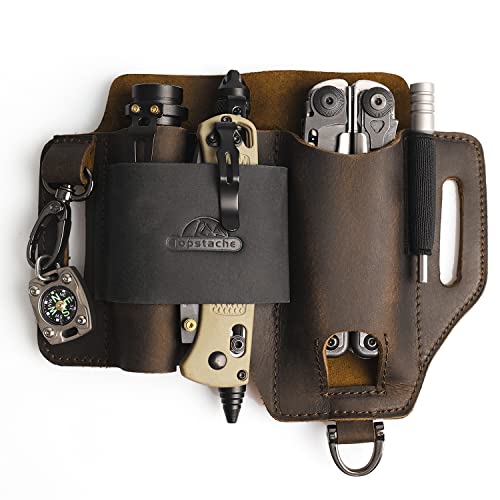
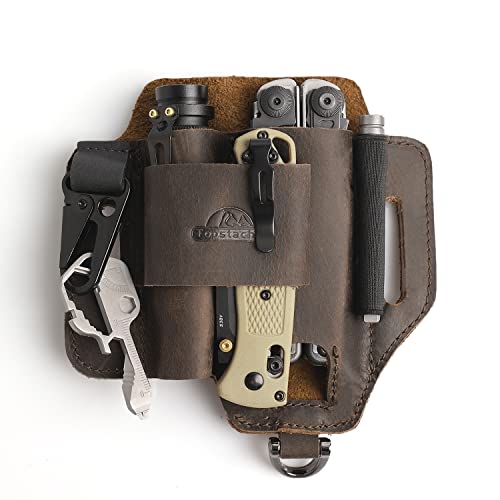
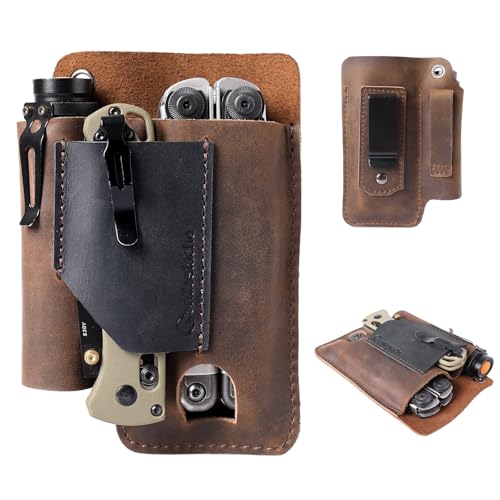
The Retention Problem
Retention is the single most critical factor in pocket carry. If your gear falls out when you sit down, it has no place in your EDC loadout. Loose pockets are for people who don't respect their tools. You need a system that holds the item firmly against gravity and movement.
When evaluating a holster, check the tension of the clip or the friction fit. For knives, the clip must bite into the fabric without sliding. For cylindrical items like flashlights, magnetic retention is standard, but it must be strong enough to hold the weight of the light during a sprint or a struggle. If you have to shake your pocket to retrieve your gear, discard the holster.
Material Matters: Kydex vs. Leather
Kydex is the standard for a reason. It is rigid, durable, and maintains its shape over time. A Kydex pocket holster protects the blade edge from dulling on keys or coins and prevents accidental cuts to your leg. It is also easy to clean if you get blood or grease on it.
Leather has its place, but only for specific applications. Leather molds to the tool, which can be good for comfort, but it stretches over time. A stretched leather holster loses retention. Furthermore, leather can snag on pocket lining and delay your draw. For tactical gear like knives and flashlights, stick to synthetic materials or rigid plastics.
For wallets and keychains, fabric holsters (like nylon or Cordura) are often better. They offer flexibility and reduce bulk. A rigid holster for a wallet adds unnecessary thickness to your pocket, making it uncomfortable to sit with. Prioritize low profile over rigidity for soft goods.
Knife-Specific Carry Solutions
Not all knife holsters are created equal. You need to distinguish between open carry and deep carry. Open carry keeps the handle exposed for a faster draw but prints more visibly. Deep carry hides the knife better but requires a longer reach to access.
Look for dual-clip options. This allows you to carry tip-up or tip-down depending on your jacket style. If you wear hoodies, tip-down is often safer and more comfortable. Ensure the clip is made of hardened steel. Plastic clips snap when you try to force the knife into a tight pocket.
Avoid "sheathless" knives that rely solely on pocket friction. They are gimmicks. A proper Kydex or leather sheath with a secure belt loop or pocket clip is non-negotiable for daily carry. Your knife needs a dedicated home, not a loose slot in your jeans.
Flashlight and Pen Retention
Flashlights are cylindrical and prone to rolling. A dedicated flashlight holster usually involves a magnetic cap or a friction-fit rubber band. Magnetic holsters are convenient but can fail if the magnet is weak or if metal debris interferes with the connection. Always carry a backup method, like a rubber band, for critical lights.
Tactical pens require a different approach. They need to be accessible but not so loose that they fall out. A clip-on holster that attaches to the pocket edge is ideal. It keeps the pen visible and ready without adding bulk to the pocket interior.
For multitools like Leatherman or Gerber, avoid open clips. The sharp edges can catch on your pocket lining and rip it out. Use a rigid case or a pouch with a snap closure. Multitools are heavy; let gravity do the work by keeping them secure in a dedicated container.
The Wallet and Keychain Dilemma
Your wallet and keys are your most frequently accessed items. They need minimal resistance for retrieval. A simple RFID-blocking wallet with a built-in clip is often sufficient. However, if you carry multiple cards or cash, a slim wallet with a secure band is better than a bulky bifold.
For keychains, avoid large plastic fobs that catch on everything. A simple leather strap or a metal ring with a dedicated holster loop is best. If you use a tactical keychain, ensure the holster protects the glass breaker tip from dulling against other keys.
The goal is to reduce pocket clutter. Use holsters to compartmentalize. Your knife goes in its holster, your light in its pouch, and your wallet in its slot. This organization prevents damage and ensures you can find what you need instantly.
Frequently Asked Questions
Can I carry a knife without a holster?
No. Carrying a loose knife in your pocket is dangerous and impractical. It dulls the edge, risks accidental cuts, and makes deployment slow. Always use a dedicated sheath or clip.
What is the best material for a pocket holster?
Kydex is best for knives and rigid tools due to its durability and retention. Nylon or leather is better for wallets and soft goods where flexibility and low profile are key.
How do I prevent my flashlight from falling out?
Use a holster with strong magnetic retention or a secure friction fit. Test it by shaking your pocket vigorously. If the light moves, the holster is inadequate.
Should I carry my multitool in a clip or a pouch?
A pouch is safer. Multitools have sharp edges that can catch on pocket lining and rip it out. A snap-closure pouch protects the tool and your pants.
Is deep carry better than open carry?
Deep carry offers better concealment but slower access. Open carry is faster to deploy but more visible. Choose based on your legal environment and personal security needs.
Do I need a separate holster for each EDC item?
Yes. Mixing items in a single loose pocket leads to damage and confusion. Dedicated holsters keep your gear organized, protected, and ready for use.
Conclusion
Your EDC gear is only as good as its accessibility and protection. A proper holster system ensures your tools remain sharp, your lights stay charged and secure, and your wallet stays intact. Stop using loose pockets as a makeshift carry system. Invest in dedicated holsters that match the specific needs of each tool. Check your retention today, and if it fails, replace it immediately.
Pick: A Kydex pocket holster for your knife and a magnetic flashlight pouch. Not for you if: You prefer the "wild west" style of carrying everything loose in your jeans. That is not EDC; that is negligence.


