

How To Choose The Right Edc Pocket Knives 2026
By Cole Briggs
In my years on the street and in tactical operations, I have seen more gear failures caused by poor selection than actual combat. Your pocket knife is not a fashion accessory; it is your primary mechanical advantage for survival, utility, and defense. If you cannot open it quickly under stress, or if it fails when prying a box shut, you are carrying dead weight. We cut the noise. You need a tool that works every single time, regardless of whether you are cutting seatbelts in an accident or opening mail at your desk.
Quick Answer
For daily carry in 2026, prioritize a knife with D2 or S35VN steel, a reliable liner lock or frame lock, and a deployment mechanism you can operate one-handed without looking. The blade shape should match your primary task: drop-point for general utility, tanto for piercing, or sheepsfoot for safety. Avoid gimmicks; focus on ergonomics that fit your hand and legal compliance in your jurisdiction.
Table of Contents
Our Top Picks
Affiliate disclosure: if you buy through these links, we may earn a commission at no extra cost to you.

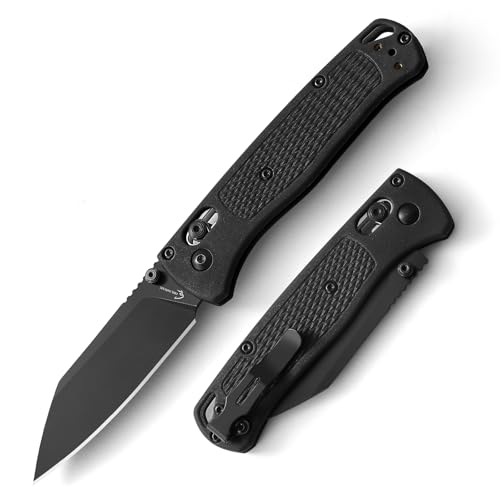
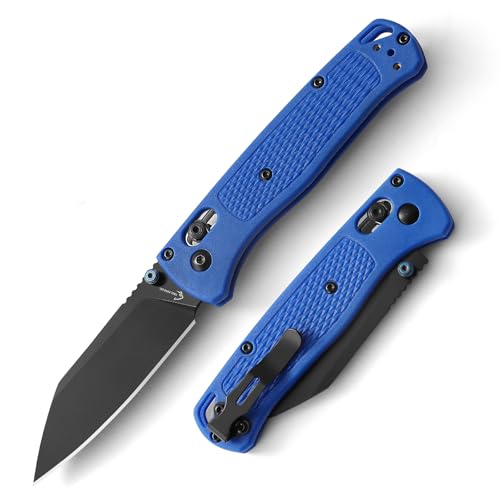
The Steel Debate: Edge Retention vs. Toughness
Stop obsessing over the hardest steel on the market. In a real-world scenario, you do not need to cut through titanium; you need to cut rope, cardboard, webbing, and meat without chipping or breaking. The sweet spot for modern EDC knives lies in high-carbon tool steels like D2 or premium stainless steels like S35VN and CPM-154.
D2 is a semi-stainless steel that holds an edge exceptionally well. It is the workhorse of the tactical world. However, it requires maintenance to prevent rust if you live in a humid climate. For those who want low maintenance without sacrificing too much performance, S35VN offers excellent corrosion resistance and good toughness. It resists chipping better than older steels like 154CM.
Locking Mechanisms: Reliability Under Stress
A knife that closes on your hand is not a tool; it is a hazard. The lock must be positive and fail-safe. In 2026, the standard remains the liner lock and the frame lock. Both are proven designs used by military and law enforcement globally.
The liner lock uses a spring-loaded metal bar inside the handle to block the blade from closing. It is reliable but can sometimes be stiff for users with smaller hands or arthritis. The frame lock, popularized by Chris Reeve and widely adopted by brands like Benchmade and Spyderco, uses part of the handle scale itself as the locking bar. These are generally more robust and easier to disengage under heavy load.
Avoid "friction locks" or folding mechanisms that rely on tension alone for cutting tasks. If you are using the knife for anything other than slicing paper, you need a positive lock. Check for "lock play"—wiggle the blade side-to-side when locked. Any significant movement indicates poor manufacturing quality.
Blade Geometry and Task Matching
Blape shape dictates function. The most versatile blade for general EDC is the Drop Point. It offers a strong tip for piercing while maintaining a large belly for slicing. If your carry involves heavy prying or puncturing tasks, consider a Tanto or Wharncliffe clip point.
The Wharncliffe profile has a straight cutting edge and a flat spine. It excels at precision work, like cutting seatbelts or rope against a wall, but the tip is fragile compared to a drop point. The tanto has a reinforced tip and angular geometry, making it excellent for piercing thick materials like leather or cardboard, but poor for slicing.
Deployment: Speed and Accessibility
How you open the knife matters when seconds count. Thumb studs are reliable and work in any orientation, but they require two hands for optimal control. A thumb hole or nail nick allows for one-handed opening using your non-dominant hand, which is crucial if your dominant hand is injured or occupied.
The AXIS lock by Benchmade uses a ball detent to hold the blade open, allowing for instant deployment with just the thumb stud. This is superior to friction-based flips for tactical use. However, be wary of "auto" knives (spring-assisted). While legal in many places, they are restricted in others and can fail mechanically if the spring breaks.
For daily utility, a smooth ball-bearing pivot is non-negotiable. If you have to fight the knife to open it, your carry position is wrong or the knife is cheap. Test the action before buying. It should snap open with a satisfying "click" and stay there.
Legalities and Carry Positioning
Your gear is only useful if you are allowed to carry it. Laws regarding blade length, locking mechanisms, and automatic deployment vary wildly by state and country. In many jurisdictions, a fixed-blade knife over 3.5 inches is prohibited for concealed carry. Even pocket knives with blades over 2.5 inches can trigger legal issues in secure facilities or certain cities.
Carry position dictates accessibility. Pocket carry is standard but can be slow if you are wearing loose clothing. Belt sheath carry offers faster access and better security, but it requires a dedicated rig. For everyday situations, a deep-carry pocket clip allows the knife to sit low in your pocket, making it discreet and accessible via muscle memory.
Frequently Asked Questions
Is a tactical knife different from a regular pocket knife?
Tactically, no. A "tactical" label is often marketing fluff for black coatings or aggressive styling. What matters is the steel, the lock, and the deployment speed. A silver stainless steel drop point with a liner lock is more "tactical" in function than a black tanto with a weak friction lock.
Should I carry a fixed blade or a folding knife?
Folding knives are generally easier to carry legally and discreetly. Fixed blades offer superior strength and faster deployment but face more legal restrictions and carry challenges. For 90% of daily carry scenarios, a high-quality folder is the pragmatic choice.
What is the best steel for beginners?
S35VN or D2. These steels are forgiving, hold an edge well enough for daily tasks, and can be sharpened with basic tools. Avoid exotic steels that require diamond stones to maintain.
How often should I service my EDC knife?
Every six months or 100 hours of use. Disassemble it, clean the pivot, apply a drop of lubricant (like KVD Nano-Oil), and reassemble. A dry pivot is a failed knife.
Can I use my EDC knife for self-defense?
Yes, but it is not its primary design. Knives are close-quarters tools with high legal consequences. Use them for utility first. If you must carry for defense, ensure your local laws permit the carry and that you understand the legal threshold for use of force.
Conclusion
Choosing an EDC knife is about balancing reliability, legality, and utility. Do not buy based on aesthetics or marketing hype. Buy a tool with a proven lock, reliable steel, and a deployment method that fits your hand. Test it in the store. Check the laws in your area. Then carry it with confidence.
The Verdict: Look for a drop-point folder in S35VN or D2 steel with a frame lock and ball-bearing pivot. Not for you if: You are looking for a collector's item to display on a shelf, or if you live in a jurisdiction with strict blade-length bans that prohibit standard folders.


