

What to Look for in an EDC knife
You don’t need a $300 folder to open boxes, but you do need a knife that won’t fail when your hands are full and the situation is tight. Most EDC knives on the market are over-engineered toys or under-built junk. The difference between a tool you rely on and one you forget in a drawer comes down to three things: reliable locking mechanism, manageable size for daily pocket carry, and steel that holds an edge without requiring a degree in metallurgy to maintain. Let’s cut through the marketing noise.
Quick Answer
For daily carry, prioritize a locking mechanism you can operate with one hand and trust under pressure, like a frame lock or liner lock. Choose mid-range steel (like S30V or CPM-14C28N) for the best balance of edge retention and ease of sharpening. Keep the blade length under 3.5 inches to ensure it fits comfortably in your pocket without printing excessively or violating local carry laws.
Table of Contents
Our Top Picks
Affiliate disclosure: if you buy through these links, we may earn a commission at no extra cost to you.
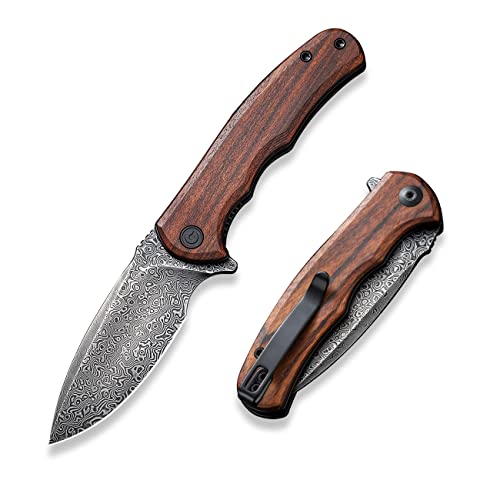


The Locking Mechanism: Your Safety Net
The lock is the most critical component of any folding knife. If the blade closes on your fingers during use, the tool is useless and dangerous. In my experience, frame locks offer the highest strength-to-weight ratio because they use the knife’s own handle structure as the locking bar. They are robust, easy to disengage with a thumb press, and generally more durable than traditional liner locks.
Liner locks are also excellent choices, provided the spring steel is thick enough. Look for liners that extend well past the blade’s pivot point to maximize contact area. Avoid slip joints or non-locking folders for any task involving cutting force; they belong in a display case, not your pocket. If you prefer fixed blades, ensure the handle scales are securely bonded and the tang extends fully into the handle.
Blade Steel: The Sweet Spot
Steel enthusiasts will argue for days about cobalt content and carbide hardness, but for everyday carry, you need a compromise. Super steels like CPM-MAXA or S90V hold an edge forever but are nearly impossible to sharpen in the field with a standard ceramic rod. Conversely, cheap 420HC steel loses its edge after opening one cardboard box.
Aim for mid-range powders or high-carbon steels like CPM-S30V, CPM-154, or Sandvik 14C28N. These steels offer excellent corrosion resistance and decent edge retention while remaining user-friendly to sharpen. If you live in a humid environment, prioritize stainless variants. If you’re willing to wipe the blade down after use, carbon steel options like O1 will cut better but require maintenance to prevent rust.
Pocket Presence and Ergonomics
A knife that prints heavily against your thigh is a liability. It announces its presence, invites questions from curious bystanders, and can be uncomfortable during long shifts or commutes. Look for profiles under 4 inches in total length when closed. A slim profile (under 0.5 inches thick) slides into pockets without catching on fabric.
Ergonomics matter more than aesthetics. The handle should fill your hand comfortably without sharp edges digging in during a firm grip. Check the pocket clip placement; it should allow for deep carry (tucked inside the waistband) or shallow carry (outside the pocket), depending on your preference. A poorly positioned clip will cause the knife to rotate awkwardly or fall out when you reach in.
Legal Boundaries and Carry Laws
Ignorance of the law is not a defense, especially when carrying edged weapons. Blade length limits vary significantly by state and municipality. In many jurisdictions, blades over 3 inches are restricted or prohibited in public spaces. Always check your local statutes before purchasing.
Locking mechanisms also face legal scrutiny. Some states ban automatic opening knives (switchblades) or assisted-opening models. Even if a knife is legal to own, carrying it concealed may require a permit. When in doubt, choose a manual-opening folder with a blade under 3 inches. This configuration is the most universally accepted and least likely to cause legal headaches during an unexpected encounter.
Build Quality vs. Gimmicks
Tactical marketing often adds weight without adding value. Oversized handles, unnecessary texturing, and aggressive jimping on the blade are common gimmicks that hinder daily use. A knife should feel balanced, not top-heavy. Excessive weight leads to fatigue and makes the tool cumbersome in your pocket.
Focus on fit and finish. Gaps between the handle scales and the frame indicate poor manufacturing tolerances. Screws should be secured with thread locker to prevent loosening during daily vibration. Avoid knives with complex deployment features that require two hands or delicate thumb studs that break easily. Simplicity breeds reliability. A well-made knife with basic geometry will outlast a flashy, over-designed competitor every time.
Frequently Asked Questions
Is titanium better than steel for EDC knives?
Titanium handles are lighter and corrosion-resistant but often lack the rigidity of steel. For a locking knife, a steel frame lock is generally stronger and more reliable than a titanium one, which can flex under heavy pressure.
How often should I sharpen my EDC knife?
It depends on usage. For light daily tasks like opening packages, every 3-6 months is sufficient. If you’re cutting rope or cardboard frequently, check the edge weekly and touch it up with a ceramic rod as needed.
Can I carry an EDC knife on a plane?
No. Folding knives are strictly prohibited in carry-on luggage. They must be packed in checked baggage. Always verify TSA guidelines before traveling, as enforcement can vary.
What is the best blade shape for everyday use?
A drop point or sheepsfoot blade offers the best versatility. They provide a strong tip for piercing and a curved belly for slicing, making them suitable for most household and field tasks.
Do I need a pocket clip?
Not necessarily, but it’s highly recommended. A clip ensures consistent carry position and quick access. Without one, the knife may shift in your pocket, making deployment slower and less predictable.
Is a fixed blade better than a folder?
Fixed blades are stronger but often illegal to carry concealed in many areas due to length restrictions. For most urban EDC scenarios, a high-quality locking folder is more practical and legally compliant.
Choosing the right EDC knife isn’t about collecting status symbols; it’s about selecting a tool that integrates seamlessly into your daily routine. Focus on a reliable lock, manageable steel, and a legal profile. Once you have a knife that fits these criteria, maintain it regularly and carry it consistently. Your next step is to visit a local retailer or trusted online vendor, handle a few models with frame locks in the 3-inch range, and see which one feels natural in your hand.


