

How To Set Up An Iwb Holster For All Day Comfort
Verdict: retention is not optional — it’s safety. A proper IWB holster must lock around the trigger guard and offer adjustable passive retention so you can tune the draw without sacrificing security. Look for single-screw or set-screw retention systems and test with your exact pistol model; generic fit equals sloppy retention. Avoid gimmicks that rely on friction alone for anything other than a backup pocket holster.
Table of Contents
Our Top Picks
Affiliate disclosure: if you buy through these links, we may earn a commission at no extra cost to you.
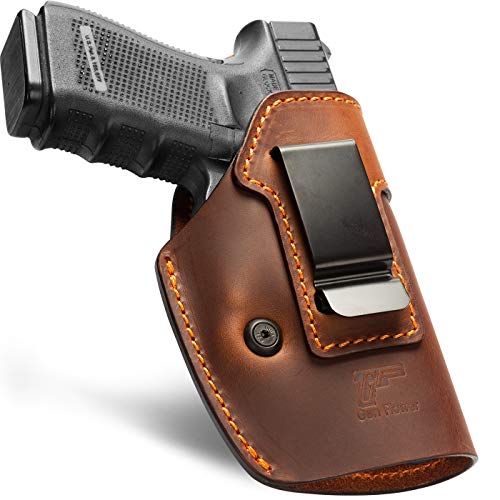

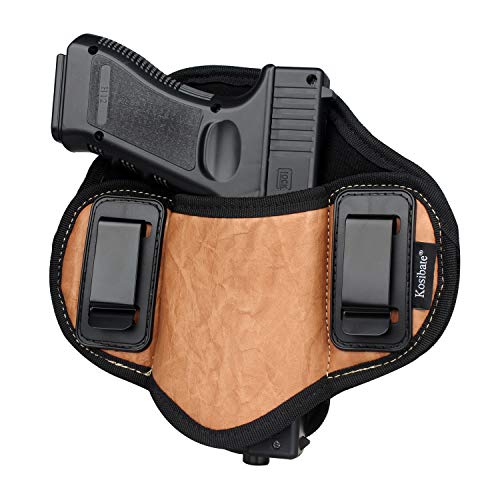
Factors to Consider
Fit and Retention: Get the trigger guard right
Ride Height and Cant: Where the pistol sits matters
Verdict: ride height determines comfort and concealability. Low ride keeps the grip tucked but can obstruct a full firing grip; higher ride eases the draw but increases printing. Choose a holster with adjustable ride and a range of cant settings (0°–20°) so you can dial in concealment vs. access based on clothing and body shape. If you plan appendix carry, favor slightly higher ride and forward cant for a natural draw angle.
Material & Construction: Kydex, leather, or hybrid?
Verdict: Kydex wins for retention and sweat resistance; leather wins for comfort if properly molded. Kydex holds shape, resists sweat corrosion, and is easy to re-tune; good for daily carry and humid climates. Leather and hybrids soften against the body and reduce hot spots, but expect break-in time and more maintenance; avoid bonded materials and thin plastics that flex under stress.
Belt Compatibility & Clips: The foundation of stability
Verdict: a weak clip ruins an otherwise solid holster. Match your holster’s clip or mounting system to a sturdy gun belt — not a fashion belt. Look for deep-concealment tuckable clips, belt loops with sealed hardware, or claw accessories to reduce printing. Test with your daily belt; some “universal” clips walk or snap under a full-size pistol’s weight.
Comfort Features & Sweat Management: Small details matter
Verdict: comfort is cumulative — sweat guards, rounded edges, and even backer pads count. A proper sweat guard protects the firearm’s finish and your skin; padded backers distribute pressure and prevent hot spots on long shifts. Watch for unnecessary bells like flashy logos, lanyard holes, or proprietary clips that add cost without a functional benefit. If you sweat heavily, choose Kydex with a closed-mold sweat channel or a breathable hybrid backer.
Frequently Asked Questions
How tight should an IWB holster be?
Tight enough that the pistol doesn’t flop but loose enough for a smooth, one-handed draw. Aim for 1–2 pounds of breakaway force at most; adjustable-screw systems let you fine-tune this. If you need a hammer to pull the gun free, it’s too tight and unsafe under stress.
Is Kydex or leather better for all-day carry?
Kydex is better for retention, sweat resistance, and consistent draw; leather is generally more comfortable against skin but requires break-in and care. For long shifts and hot climates, I pick Kydex or a Kydex hybrid every time. Leather fans get comfort once broken in, but expect a longer run-in period and possible molding issues.
Can I wear appendix carry all day comfortably?
Yes, if you set ride height, cant, and belt support properly — and if your body type tolerates forward pressure. Short grips and high ride plus a stiff belt reduce pressure points, while a decent holster claw helps prevent printing. If you sit for long stretches or have a history of soft-tissue discomfort, appendix may not be the best choice.
How do I reduce printing without sacrificing access?
Lower ride height slightly, use a forward cant, and tuck the grip when possible; a holster claw or wedge can rotate the butt of the gun into your body and reduce printing. Dress choices matter — stiffer fabrics and longer shirts help. Don’t rely on oversized "comfort" clips or gimmick padding that just moves the problem elsewhere.
Are holster retention devices (thumb breaks, Level II) necessary for CCW?
For civilian concealed carry, a good passive-retention holster is usually sufficient; active retention like thumb breaks adds security but slows your draw. Law enforcement often requires Level II or active retention because of close-contact risks. Match retention to threat environment: daily CCW in safe environments—passive is fine; working crowded or high-risk details—consider active systems.
How do I break in a leather IWB holster safely?
Wear it unloaded with a training pistol for short periods, increasing time gradually to form the leather to your body and weapon. Avoid oiling aggressively—light conditioning only—or you’ll warp the fit. Always test retention and draw with the unloaded training gun before carrying live rounds.
What belt should I use with an IWB holster?
Use a purpose-built gun belt with a stiff core rated for at least your handgun’s weight — 1.5"–1.75" width is common. Thin or floppy belts allow sagging and printing; a solid belt keeps the holster stable at the correct angle. If you’re using a tuckable clip, pair it with a compatible belt and test stability while moving, sitting, and drawing.
Conclusion
Pick: a low-profile Kydex IWB with adjustable retention, tuckable clips, and a sweat guard — it balances concealability, durability, and predictable draw for all-day carry. Not for you if: you want a fashion accessory, you can’t commit to a proper belt or break-in period, or you prefer a holster that sacrifices security for gimmicky convenience.


