

How To Choose The Right Pocket Multitools 2026
Multitools are not toys. They are insurance policies for your pocket. When a bolt shears, a strap breaks, or you need to make an improvised tool in the field, you don't have time to fumble with a specialized kit. You need one reliable unit that does ten things well enough to keep you safe and moving. Most people buy the wrong ones because they chase features over function. Stop doing that. Here is how you actually select gear that works when the pressure is on.
Quick Answer
Choose a standard-sized plier-based multitool with a locking blade and wire cutters for maximum utility. Avoid slimline or keychain models for primary carry; they lack the leverage needed for real work. Prioritize 420HC stainless steel for low maintenance and a smooth opening mechanism that works with gloves.
Table of Contents
Our Top Picks
Affiliate disclosure: if you buy through these links, we may earn a commission at no extra cost to you.


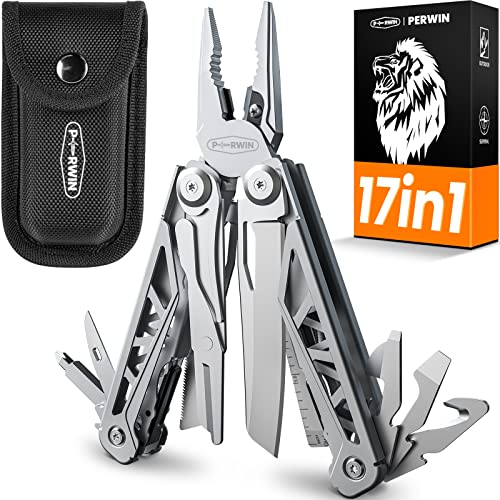
The Plier vs. The Slimline: Form Factor
Your primary multitool must be a plier-based unit. I don’t care if it’s bulky. If you need to twist, grip, or cut something under tension, a slimline tool is useless. You need the mechanical advantage of pliers. Look for tools that open into a functional pair of linesman pliers with a hardened wire cutter. This is the non-negotiable core function. Everything else—screwdrivers, saws, bottle openers—is secondary.
Slimline tools have their place in an EDC bag or a deep pocket on a hot day, but they are not primary carry. They lack the jaw strength to strip wire or turn a stubborn bolt without bending. If you buy a slimline tool as your only multitool, you will leave it at home when you actually need it. Stick to standard-sized tools like the Leatherman Wave+ or Gerber Suspension for daily duty.
Blade Steel and Edge Retention
Most multitool blades are made from 420HC stainless steel. This is not a flaw; it is a feature. You want corrosion resistance over edge retention for a tool that sits in your pocket next to keys, lint, and sweat. 420HC takes an edge easily and stays sharp enough for cutting rope, cardboard, or tape. If you find yourself sharpening the blade every week, you are using it wrong.
Avoid high-carbon steel blades unless you are willing to oil them after every use. Rust will seize your pivot points and ruin the tool faster than dullness. For the rare time you need a harder edge, look for tools with a separate, replaceable blade slot rather than a fixed high-hardness blade that chips easily. The goal is reliability, not razor sharpness.
Locking Mechanisms and Safety
A blade that closes while you are using it is a liability. You need a positive lock on the primary blade. Frame locks or liner locks are preferred because they prevent accidental closure under pressure. Some older tools use "flipper" blades that rely on friction; these can close if you hit them against a hard surface. In a tactical situation, that split second of uncertainty matters.
Consider the opening mechanism. Thumb studs or a hole in the blade allow for one-handed deployment. This is critical when your other hand is occupied holding a flashlight or stabilizing a vehicle. If you have to use two hands to open your tool, it is not efficient EDC gear. Ensure the lock engages fully and audibly before applying force.
Legal Carry Considerations
Multitools exist in a legal gray area that varies by jurisdiction. In many states and countries, a multitool is legal because it is not primarily designed as a weapon. However, if you modify the blade or use it with intent to harm, it becomes a weapon. Keep your tool unmodified. Do not grind down the tip to make it sharper for stabbing; that crosses the line from tool to weapon.
Be aware of local laws regarding blade length. While pliers are generally exempt, some jurisdictions regulate any fixed or folding blade over a certain inch count. A standard multitool blade is usually around 3 inches, which is legal in most US states but restricted in places like the UK or Canada without specific exemptions. Know your local statutes before you carry.
The Verdict: What to Buy
Stop overthinking the specs. You need a tool that opens smoothly, holds an edge, and has strong pliers. Leatherman and Gerber dominate this space for good reason. Their supply chains ensure you can get parts or warranty service decades from now. Cheap Amazon brands may look shiny but often fail at the pivot point within months.
If you need a single tool for everything, buy a standard-sized plier multitool with a locking blade. If you carry heavy gear and want to reduce pocket bulge, add a slimline tool as a backup. Do not rely on keychain tools for anything other than opening boxes or turning tiny screws. They are gimmicks disguised as utility.
Frequently Asked Questions
Are multitools legal to carry everywhere?
No. While generally legal in the US, blade length restrictions apply in some states and countries like the UK. Always check local laws.
Do I need a locking blade on a multitool?
Yes. A non-locking blade can close unexpectedly under load, causing injury or damaging the tool. Always choose a model with a positive lock.
What is the best steel for a multitool?
420HC stainless steel is the standard. It offers the best balance of corrosion resistance and ease of sharpening for general utility.
Can I use a multitool as a self-defense tool?
It can be used in defense, but it is not designed for it. Using it offensively may change its legal status from a tool to a weapon.
How often should I service my multitool?
Once a year or when the pivot feels loose. Disassemble, clean old grease, and apply fresh lubricant to maintain smooth operation.
A multitool is an extension of your capability. Choose one that respects your time and safety. Prioritize function over form, and never compromise on the locking mechanism. If you follow these guidelines, you will have a tool that works when you need it most.


