

How to Choose the Right Gerber for Your EDC Needs
Gerber has been making tools since 1939, and for decades, they’ve held a specific place in the EDC world. They aren’t always the lightest or the most refined, but when you need a tool that can take a beating without breaking the bank, they deliver. The problem isn’t the quality; it’s the sheer volume of options. Whether you’re looking for a heavy-duty multitool for home defense or a slim folder for pocket carry, choosing the wrong Gerber means carrying dead weight. Let’s cut through the marketing noise and find the tool that actually fits your life.
Quick Answer
If you need one do-it-all tool for home or car, grab a Gerber Suspension or Compact; they offer the best balance of durability and utility for the price. For pocket carry, look at the Gerber Frame Lock series in stainless steel—they’re slim enough to disappear but tough enough for daily tasks. Avoid the cheap carbon steel models unless you enjoy constant oiling, and skip the oversized "tactical" folders that weigh down your belt.
Table of Contents
Our Top Picks
Affiliate disclosure: if you buy through these links, we may earn a commission at no extra cost to you.
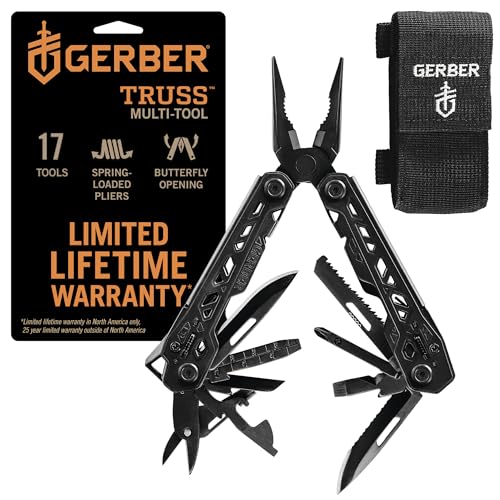
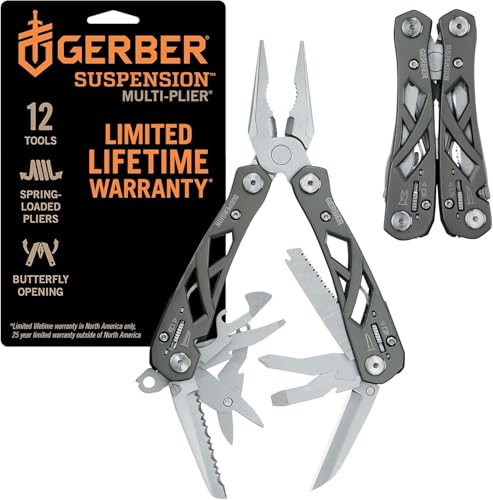

Assess Your Carry Location
Before you spend a dime, you need to know where this tool is living. Are we talking about your front jeans pocket, a belt loop on your duty rig, or the glove box of your patrol car? The location dictates the form factor. If you’re carrying in a tight-fitting shirt pocket, a bulky Gerber Suspension with pliers will create an uncomfortable bulge that screams "I have a tool." In that scenario, you want something like the Gerber Aerator or a slim frame-lock folder.
Belt carry is different. Here, weight matters less than accessibility and retention. A heavy multitool clipped to your belt won’t bother you as much as it would in your pocket. However, ensure the clip is robust. Cheap clips bend after six months of daily use. Gerber’s higher-end models feature reinforced steel clips that hold up to the torque of pulling a tool out quickly.
Multitool vs. Folding Knife
This is the classic debate, and the answer depends on your daily friction points. Multitools like the Gerber Compact or Suspension are Swiss Army knives with pliers. They are excellent for home repairs, car maintenance, and emergency fixes. They are heavy, though. Carrying a multitool every single day adds ounces that add up over time.
Folding knives, specifically Gerber’s frame-lock series, are about speed and slicing. If your primary tasks are opening boxes, cutting tape, or preparing food, a folder is superior. It deploys instantly and feels lighter in the hand. I recommend keeping a multitool in the car or at home for heavy lifting, and carrying a slim folder on your person for daily friction.
Don’t let the "tactical" marketing fool you into buying a knife that’s too big for its boots. A 4-inch blade is plenty for 90% of civilian tasks. Anything larger raises legal red flags in many jurisdictions and becomes cumbersome to deploy quickly.
Steel Selection and Maintenance
Gerber uses a variety of steels, and knowing the difference saves you headaches. You’ll often see 420HC (High Carbon) stainless steel on their budget models. It’s decent for general use but softens quickly and rusts if you neglect it. If you live in a humid climate or sweat heavily, this isn’t your best friend.
Look for 154CM or 8Cr13MoV in their mid-to-high-tier models. 154CM holds an edge longer and resists corrosion better. It’s the workhorse steel that balances toughness with ease of sharpening. If you see "Carbon Steel" without the "Stainless" tag, know that this blade will rust if it gets wet. You can oil it, but most people don’t want to maintain their EDC like a vintage firearm.
Locking Mechanisms That Matter
Safety is non-negotiable. When you’re applying pressure to cut rope or open a package, the last thing you want is the blade folding back onto your hand. Gerber uses several locking systems, and not all are created equal.
The Frame Lock is their most reliable modern system. The handle itself acts as the lock bar, preventing the blade from closing. It’s solid, has no small screws to strip, and feels secure. Avoid older models with simple liner locks if you plan on heavy use; they can fatigue over time. For assisted-opening knives (like the Auto series), ensure the mechanism is smooth. A gritty assist mechanism is a sign of poor tolerances and will fail when you need it most.
If you’re looking at multitools, check the plier lock. It should snap shut firmly without wobble. Wobbly tools are dangerous tools. Give every tool in the set a wiggle test before committing to the purchase.
Avoiding the Gimmicks
Gerber, like many manufacturers, produces "gimmick" gear. These are tools with extra features that add weight and complexity without adding real utility. Think glass breakers built into the handle of a knife you’ll never use for breaking glass, or fire starters on a multitool you already have in your car kit.
Stick to the basics. A sharp blade, a sturdy lock, and maybe a bottle opener if you’re social. Extra tools mean extra points of failure. If a tool has ten functions, it’s likely mediocre at all of them. Focus on build quality over feature count. A simple Gerber folder with a solid frame lock will outlast a flashy multi-tool with a built-in LED light that dies after two weeks.
Frequently Asked Questions
Are Gerber knives worth the money?
For entry-level and mid-range EDC, yes. They offer reliable performance at a price point that undercuts many premium brands. You’re paying for durability and availability, not exotic steels or hand-fitted tolerances.
Which Gerber multitool is best for everyday carry?
The Gerber Compact is the sweet spot. It’s lighter than the Suspension but still offers pliers, screwdrivers, and blades. It fits in most pockets without creating a massive bulge.
Do Gerber frame locks break easily?
No. The frame lock design is robust because it uses the handle material as the locking surface. As long as you don’t drop the tool on concrete blade-first, they are highly durable.
Can I carry a Gerber knife in my pocket legally?
It depends on your local laws. Many jurisdictions restrict blade length or locking mechanisms. Always check your state and city regulations before carrying any fixed-blade or automatic-opening knife.
How often should I clean my Gerber tool?
If you use it daily, a quick wipe-down once a week is sufficient. If you use it in wet or dirty environments, clean and oil the pivot points immediately after use to prevent grit buildup.
What’s the difference between 420HC and 154CM steel?
420HC is softer and easier to sharpen but loses its edge faster. 154CM is harder, holds an edge longer, and has better corrosion resistance. For heavy daily use, 154CM is the better choice.
Choosing the right Gerber comes down to matching the tool to your actual habits, not your fantasy of what you might do in an emergency. If you want a reliable, no-nonsense companion for daily tasks, stick to their frame-lock folders or compact multitools. Skip the gimmicks, prioritize steel quality, and ensure the lock mechanism feels solid in your hand. Now that you know what to look for, head out and find the tool that fits your pocket—and your life.
The Pick
For Pocket Carry: Gerber Frame Lock (Stainless Steel version). Slim, reliable, and easy to maintain.
For Home/Car: Gerber Compact Multitool. The perfect balance of weight and utility.
Not For You If
You demand ultra-lightweight titanium handles, you live in a jurisdiction with strict knife laws, or you’re willing to pay a premium for hand-fitted tolerances found in high-end custom knives. Gerber is about function, not fashion.


