

How To Choose The Right Belt Clips
Choosing the right belt clip isn’t just about aesthetics; it’s about functionality, durability, and ensuring your gear stays secure no matter what your day throws at you. A good belt clip keeps your knife, flashlight, or multi-tool accessible, without printing or losing its grip. An ill-suited clip can turn your EDC into a daily hassle — so get it right.
As a seasoned professional, I’ve seen gear fail under pressure because of poor clip choices. This isn’t about gimmicks or trendy designs — it’s about real-world utility and build quality. Your belt clip should blend discreet carry with rugged dependability. Let’s dive into how to make that happen.
Table of Contents
Our Top Picks
Affiliate disclosure: if you buy through these links, we may earn a commission at no extra cost to you.
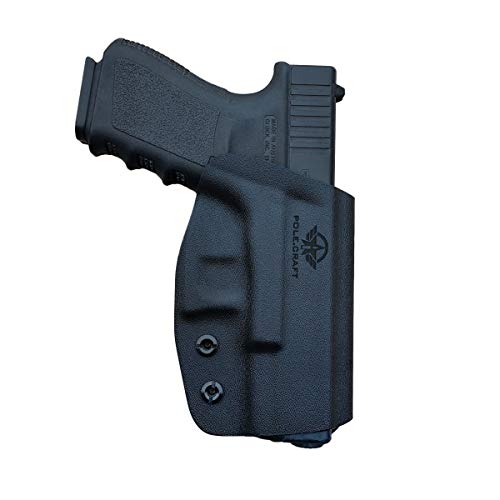
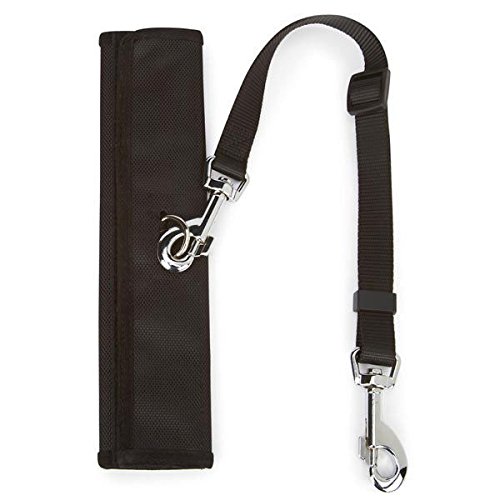

Key Factors to Consider When Picking a Belt Clip
First, think about the gear you’ll carry and how often you need quick access. The clip must hold firmly under daily wear but release smoothly when needed. Durability is paramount — a flimsy clip will fail in the field. Compatibility with your belt width, holster style, and overall carry plan matter. Don’t overlook your dress code; some clips can be discreet enough for work environments, others are better suited for tactical setups.
Also gauge the retention strength. A good clip offers enough tension to prevent accidental loss but isn’t so tight you can’t draw your tool efficiently. Lastly, consider the clip’s profile: a low-profile clip minimizes printing but might have less grip on thick belts. Conversely, wider or textured designs add grip but alter your silhouette.
Types of Belt Clips
There are a few popular styles: standard pocket clips, deep-pocket clips, and mountable clips. Standard pocket clips are the most common; they sit on the edge of your pocket or belt for quick access. Deep-pocket clips conceal more of the tool, reducing printing and preserving discreet carry — ideal for dress environments.
Mountable clips attach directly to the sheath or handle, providing a more secure, often more durable solution. Some multi-tools or compacts feature built-in clips, but if yours doesn’t, aftermarket clips from brands like Benchmade or SpecOps give you options for customization. Be wary of gimmicks in this category; choose clips with solid locking mechanisms and proven grip.
Material and Build Quality
Stainless steel is the gold standard — robust, corrosion-resistant, and able to handle daily abuse. Titanium is lighter and just as durable but comes at a premium. Avoid cheap zinc or pot metal clips; they bend, deform, or break under stress. If your job involves water, sweat, or harsh environments, prioritize corrosion-resistant alloys.
Design matters. A well-made clip will have a textured or serrated grip, ensuring your gear stays put even when you’re moving fast. Check for sharp edges or poorly finished welds; these aren’t just comfort issues but potential failure points. The attachment point to the tool or sheath should be solidly welded or riveted, not glued or poorly machined.
Attachment Style and Mounting Options
Most belt clips attach via screws, clips, or loops. Screwed attachments are the most secure, allowing for tight attachment and easy replacement if needed. Clips with integrated spring mechanisms are quick to clip on and off but make sure the tension isn’t so tight it damages your gear or causes fatigue over time.
Consider how the clip attaches to your belt or waistband. C-clip, clip-in, or screw-on methods each have merits. C-clip designs are lightweight and quick but can slip if not properly tensioned. Screw-mounted clips offer the most stability — worth the extra effort during installation.
Optimal Carry Position & Orientation
The right clip placement depends on your specific draw style and comfort. For knives, a tip-up carry on the right side is standard — it’s quick, natural, and reduces accidental opening. Flashlights or multitools often benefit from a side or front-clip for fast access. Remember: lower on the belt tends to be more stable, especially when you’re moving or working.
Balance accessibility with concealability. Deep-pocket or low-profile clips are good for discreet carry, but they might slow retrieval. For tactical purposes, higher, more assertive positions are easier to access quickly. Always test your setup in everyday conditions before relying on it in a pinch.
Maintenance & Durability Tips
Regular cleaning and inspection are essential. Dirt, lint, and debris can weaken clip tension over time. Use a soft brush and mild solvent (like isopropyl alcohol) to clean claws or spring mechanisms. Loosen screws periodically to check for corrosion; tighten where needed.
When not in use for extended periods, lightly oil moving parts or apply a corrosion inhibitor especially in humid environments. If your clip gets bent, gently reset it, but avoid forcing it — replacement is better if deformation is severe. Remember, a sturdy, maintained clip is your gear’s first line of defense against loss and damage.
Frequently Asked Questions
Will a larger clip damage my clothing or belts?
Not necessarily. Choose a clip that balances grip and thin profile. Some thick or textured clips can cause wear over time but are more secure. Rotate carry styles if you notice excessive wear.
Can I swap clips on any EDC gear?
Not all gear is designed for aftermarket clips. Check screw hole compatibility and size. Quality aftermarket clips from reputable brands fit more securely and last longer.
Is a heavy-duty clip worth it for everyday carry?
Absolutely, if you prioritize security. Heavy-duty clips handle abuse better, resist bending, and hold your gear firmly. Cheaper clips that feel flimsy are a false economy.
Are concealed carry clips safe for your gear?
Yes, as long as they’re well-made and properly attached. They hide your gear better but check retention — a weak clip risks accidental loss.
How do I choose a clip for my tactical flashlight?
Look for a clip with enough tension to stay put but easy to remove. Deep-pocket style allows concealment, while side-mounted clips give quick access. Consider your environment and how you’ll wear it daily.
Should I consider corrosion resistance in my clip?
Definitely. If you work outdoors or in wet environments, stainless or titanium clips prevent rust and ensure longevity.
Conclusion
The proper belt clip is an underrated part of your EDC setup. It’s the link between your gear and daily life, influencing accessibility, durability, and discreet carry. Choose wisely—favor quality materials, secure attachment, and compatibility with your carry style. Invest in a good clip; it’s worth the peace of mind and reliable access.
Next step: assess your current gear, identify weak points in your carry setup, and select the appropriate clips designed for your tools. Keep it simple, rugged, and functional—that’s how professionals do it.


